The Growing Evidence Base
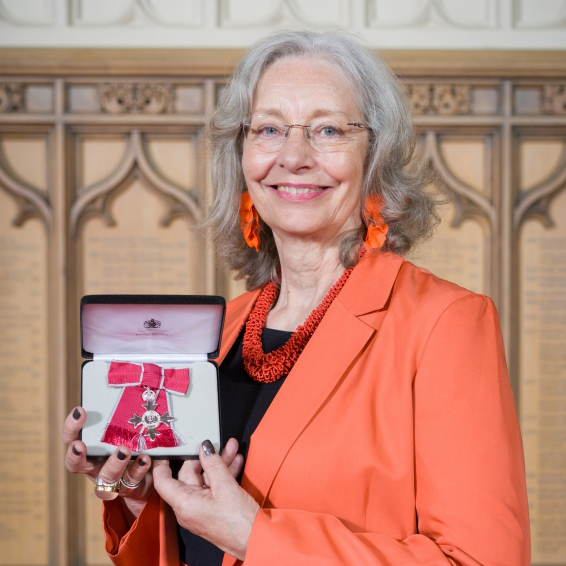
Angeline Lillard, Professor of Psychology at the University of Virginia, has spent decades studying how children actually learn. Her research challenges the 150-year-old, teacher-text-centred “factory model” of schooling — a system designed in the industrial era to deliver standardised information efficiently, but which may no longer serve the needs of today’s world. In her 2023 review, Why the Time is Ripe for an Education Revolution (Frontiers in Developmental Psychology), Lillard argues that this model is “misaligned with the developmental science of how children naturally learn.” Its emphasis on testing, age-graded classrooms, and extrinsic motivators such as grades may produce compliance and memorisation, but not innate motivation, creativity, or wellbeing.
“The teacher-text-centred model was built for another century,” she writes. “It no longer serves the cognitive or emotional needs of today’s children.”
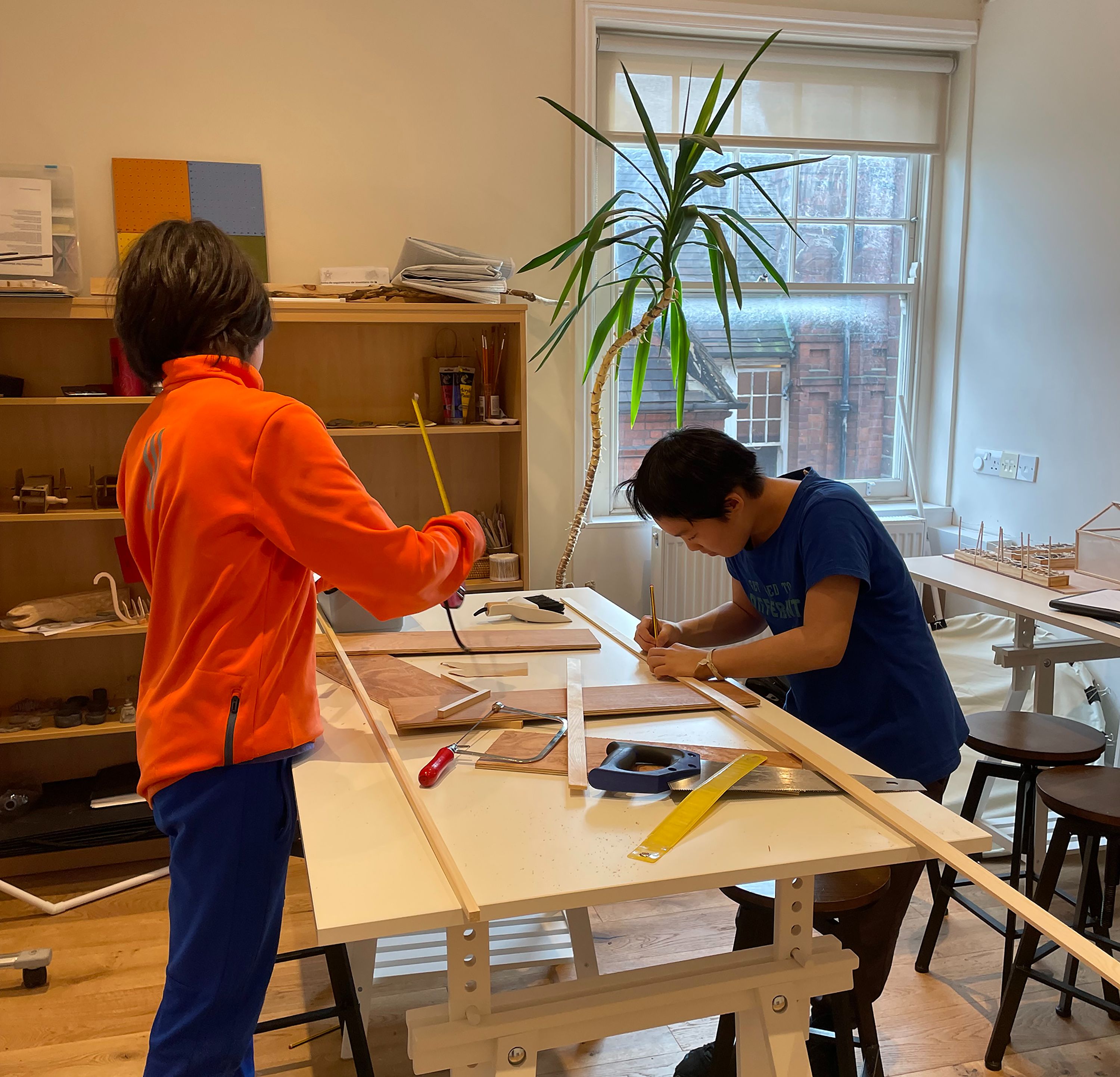
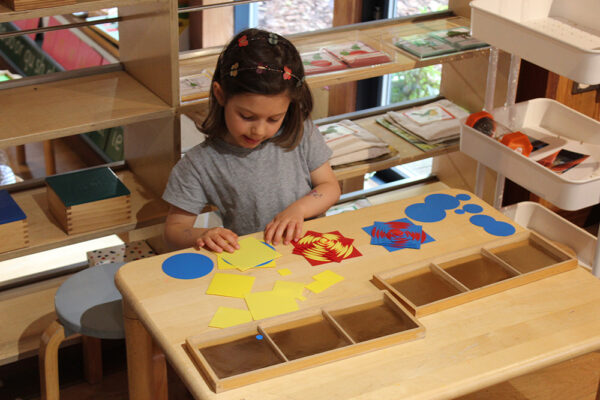
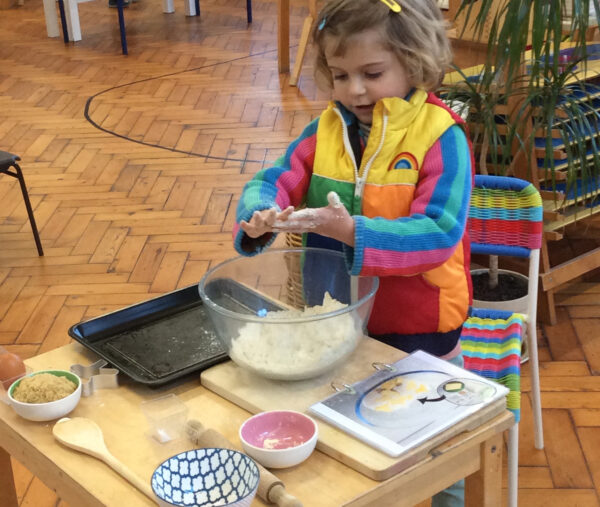
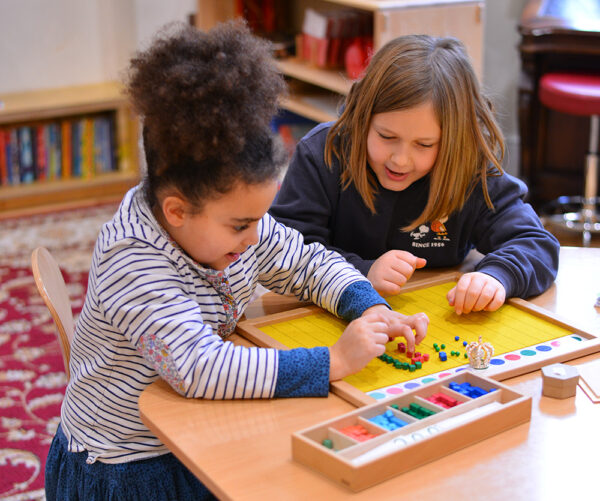
Lillard’s critique is not merely philosophical. It is grounded in a growing body of research showing that a radically different approach, Montessori education, yields stronger and more enduring outcomes across cognitive, social, and emotional domains. Montessori classrooms are structured yet flexible. They replace rigid timetables and uniform lessons with carefully prepared environments that allow children to choose tasks at their own pace, collaborate across ages, and learn through hands-on engagement. Teachers act as guides rather than instructors, cultivating self-regulation and intrinsic motivation.
In January 2025, these ideas received their strongest scientific support to date with the publication of the first US-wide randomised controlled trial of Montessori education in the Proceedings of the National Academy of Sciences (PNAS). Conducted with nearly 3,000 children, this large-scale study compared those admitted to public Montessori schools via lottery with peers attending other schools.
The findings were striking. By age six, children who attended Montessori schools scored significantly higher in reading, maths, executive function, and social understanding. The benefits were broad and equitable: children from low-income and minority backgrounds gained as much as, and sometimes more than, their more advantaged peers. In contrast to the persistent “achievement gaps” seen in traditional schools, the Montessori group showed reduced disparities by socioeconomic status and ethnicity.
Importantly, the study also found that Montessori education delivers these gains more cost-effectively than conventional preschool models. Over the three years from prekindergarten to kindergarten, public Montessori programmes cost school districts around $13,000 less per child than traditional provision. This efficiency arises from the model’s design, which include mixed-age classrooms, independent work, and longer teacher–child relationships, this reducing staffing costs while maintaining quality. For policymakers, this combination of higher outcomes and lower costs presents a rare win–win in early education.
Because it was a randomised trial, the scientific gold standard for causal inference, these findings provide the clearest evidence yet that Montessori education works not because it attracts motivated families, but because of the model itself.
While the PNAS trial documents the immediate benefits of Montessori schooling, another recent study (i.e., Perfect Timing: Sensitive Periods for Montessori Education and Long-Term Wellbeing) suggests that when children experience Montessori may be just as important as whether they do. Drawing on data from over 1,000 adults who had attended Montessori at different ages, the researchers found that those who attended between ages 3 and 6 reported the highest levels of adult wellbeing, measured as engagement, mastery, meaning, and optimism. Completing the full three-year preschool cycle was associated with the most positive outcomes, while benefits declined for those who entered or exited mid-cycle.
In other words, Montessori’s impact appears strongest during the early, sensitive period when children’s executive and self-regulatory systems are developing most rapidly. This dovetails with neuroscience evidence showing that early experiences in autonomy, attention control, and motor coordination set long-term trajectories for emotional resilience and life satisfaction.
A Call for a Paradigm Shift
Taken together, these studies amount to more than an endorsement of one educational method. They reveal that the timing and structure of education, and not just its content, shape lifelong wellbeing. The old industrial model of dosing children with uniform lessons no longer fits what we know about brain development, motivation, or the future economy. As Lillard notes, that system was designed “to produce efficiency and obedience, not curiosity and creativity.”
In an era defined by information and digital technology, climate uncertainty, and rapid change, those are the qualities children need most.
Global trends in mental health make this paradigm shift urgent. The World Health Organization reports that depression is now the leading cause of illness and disability among adolescents, while anxiety disorders have risen sharply across OECD nations. In the UK, the proportion of young people with a probable mental disorder has doubled in a decade. Researchers link much of this to high-stakes testing, social comparison through social media, and a narrowing of educational purpose. The current model amplifies these pressures by conditioning children to work for external approval rather than internal satisfaction, leading to erosion of autonomy and intrinsic motivation.
By contrast, Montessori’s integration of child and environment cultivates self-determination and engagement. Children are trusted to make meaningful choices, pursue mastery, and collaborate rather than compete. Decades of developmental research show that such environments strengthen executive function, emotional regulation, and empathy which are the very capacities most at risk in our current youth mental-health crisis.